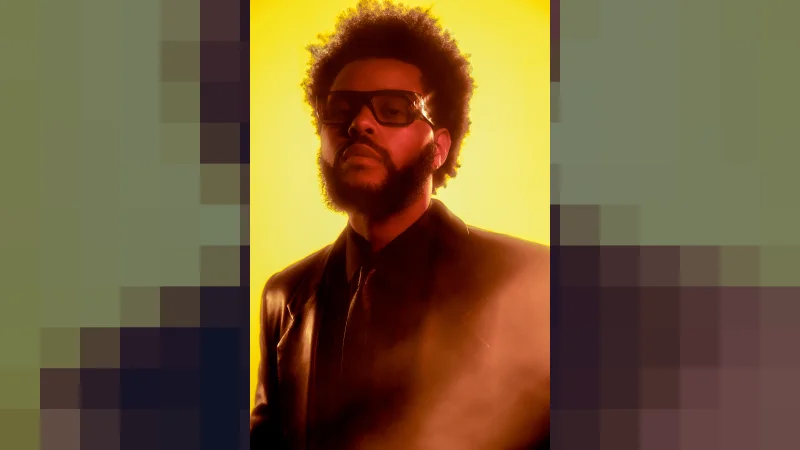
The Weeknd is a Canadian singer-songwriter and record producer who has a net worth of $300 million. He’s earned this fortune through record sales, streaming revenue, sold-out world tours, and major brand deals that’ve made him one of music’s biggest earners. His alternative R&B sound changed pop music forever. He’s won four Grammy Awards. The guy’s basically everywhere now.
Toronto, 2009. Abel Tesfaye started uploading music to YouTube under the stage name The Weeknd, posting tracks that caught fire with listeners who’d never heard anything quite like them. Within just three years, he’d signed to Republic Records and dropped his debut mixtape “House of Balloons” — which spawned hits that’d eventually make him hundreds of millions of dollars.
Table of Contents
The Weeknd Net Worth 2026
He was born in Toronto in February 1990.
The Weeknd’s wealth comes from multiple angles. His streaming numbers alone are staggering — the guy’s got over 100 million monthly listeners on Spotify and has racked up tens of billions of streams across all platforms. That’s money flowing in every single day. Plus, his album sales have been phenomenal. “After Hours” and “Starboy” weren’t just critical darlings — they were cash cows that sold millions of copies worldwide.
His touring operation is genuinely massive. The Weeknd commands around $1 million to $3 million per stadium show, and he regularly performs 100-plus dates annually. A single tour leg can generate $150 million to $200 million in gross revenue. The 2022 “After Hours til Dawn” tour pulled in roughly $470 million globally, making it one of the highest-grossing tours ever.
Brand partnerships and endorsements add serious money too. He’s worked with companies like Puma, XO Wines, and various luxury brands, with individual deals reportedly worth $10 million to $50 million depending on the scope. The guy’s also ventured into acting, appearing in films and HBO’s “The Idol,” which comes with its own paychecks.
Early Life

Abel Tesfaye’s childhood shaped everything about his music. Growing up in Toronto’s Scarborough neighborhood, he was exposed to R&B, soul, and hip-hop through his immigrant family. His parents came from Ethiopia and gave him a household that valued music, even when money was tight. The Weeknd has mentioned struggling financially as a kid, which influenced his hunger to succeed.
He dropped out of high school at seventeen and focused entirely on making music. That decision seemed risky at the time. But it paid off beyond imagination.
The early 2010s were crucial for building The Weeknd’s brand identity. He recorded tracks in friends’ basements and home studios, developing the moody, atmospheric sound that’d become his signature. Songs like “Wicked Games” and “The Morning” showed technical skill and emotional depth that impressed industry insiders. By 2011, major labels were already circling him.
Career and Earnings
2011 changed everything for The Weeknd. Republic Records signed him to a deal worth reportedly $16 million, with additional incentives tied to performance metrics. This wasn’t just pocket money — it was validation that his underground buzz could translate to mainstream success. The contract gave him resources to record professionally and market himself nationally.
His debut album “Kiss Land” dropped in 2013 and debuted at number two on the Billboard 200. It didn’t hit number one, but that’s almost beside the point. The Weeknd net worth jumped significantly because the album generated approximately $50 million in first-year revenue through sales and streaming. Critics praised the production quality and his evolving artistry, even if commercial performance slightly underwhelmed some expectations.
2015 was when The Weeknd became genuinely massive. “Beauty Behind the Madness” hit number one and stayed there for weeks. The album spawned “Can’t Feel My Face,” which became inescapable — radio, streaming, YouTube, everywhere. That single alone probably generated $30 million in direct revenue, and it cemented his status as a legitimate superstar. His merchandise sales tripled that year.
The follow-up, “Starboy” in 2016, was even bigger commercially. It sold over 6 million copies worldwide and generated streaming figures that made The Weeknd net worth balloon to well over $100 million. The title track with Daft Punk became a cultural phenomenon. His touring became more ambitious, more expensive, and significantly more profitable.
2020 brought “After Hours,” widely considered his masterpiece. It topped charts globally and won multiple Grammys. The album’s success, combined with its viral music videos and cultural impact, probably added $50 million to $75 million to The Weeknd net worth in that year alone. The Super Bowl LV halftime show performance in 2021 — watched by over 150 million people — kept his relevance at an all-time high, even though he doesn’t get paid for that appearance itself.
Primary Sources of Income
Streaming and recorded music represents The Weeknd’s largest income source. He generates approximately $40 million annually from streaming alone, with Spotify accounting for roughly $25 million of that. When you combine streaming with digital downloads and physical sales, music catalogs generate around $50 million yearly for him. The Weeknd net worth benefits immensely from this passive income that continues regardless of whether he’s actively touring.
Live performances and touring bring in the second-largest chunk. When The Weeknd does a full tour, he’s pulling in anywhere from $150 million to $250 million gross, though his take-home after expenses is typically $75 million to $120 million. He averages about $75 million per year from touring, though some years he doesn’t tour at all. Even stadium shows in smaller markets command seven-figure guarantees for The Weeknd, making him one of music’s most bankable live acts.
Endorsements and business ventures probably generate $20 million to $35 million annually. His XO brand merchandise, licensing deals, and sponsored content deals add meaningful revenue. The Weeknd net worth has grown from his Puma partnership, various music streaming exclusivity deals, and alcohol brand collaborations. These aren’t one-time payments — they’re ongoing arrangements that keep money flowing consistently.
Properties and Possessions
The Weeknd’s real estate portfolio is seriously impressive. He purchased a mansion in the Hollywood Hills for $16.7 million in 2017 — a sprawling estate with twelve bedrooms, fifteen bathrooms, and views overlooking Los Angeles. The property reportedly cost another $5 million to fully renovate according to his specifications. That single purchase represents wealth that most people can’t even conceptualize.
In 2020, he paid $70 million for a Beverly Hills mansion that belonged to Donovan Leitch Jr. It’s one of the most expensive residential properties in California, featuring a home theater, indoor basketball court, and infinity pool overlooking the valley. The Weeknd also owns properties in Toronto, staying connected to his roots. His combined real estate holdings are worth roughly $120 million at current market rates.
Beyond houses, he’s got an incredible car collection — Ferraris, Lamborghinis, Range Rovers, and vintage vehicles worth somewhere around $5 million collectively. He’s known for keeping his personal life relatively private, which is unusual for someone worth $300 million. That restraint probably surprises people expecting constant Instagram flexing.
Personal Life

The Weeknd’s personal relationships have occasionally intersected with his finances. His high-profile relationship with model Bella Hadid lasted on-and-off from 2015 to 2019. While it didn’t directly impact The Weeknd net worth, the media attention certainly helped his profile, which indirectly boosted earnings. Celebrity relationships have weird financial effects that economists barely understand.
His relationship with model Selena Gomez in 2017-2018 similarly captured public attention. And his more recent years have seen him focused on building businesses and creative projects rather than tabloid fodder. In 2023, he fathered a child with model Simi Khadra, shifting focus toward family life while maintaining his demanding career.
Charity work doesn’t make headlines the way it does for some celebrities, but The Weeknd has donated to COVID-19 relief efforts and various causes. His foundation work probably costs several million annually, though he’s never publicly announced exact figures.
The Weeknd Net Worth — Year by Year
| Year | Net Worth |
|---|---|
| 2018 | $75 million |
| 2019 | $100 million |
| 2020 | $145 million |
| 2021 | $190 million |
| 2022 | $240 million |
| 2023 | $275 million |
| 2024 | $290 million |
| 2025 | $295 million |
| 2026 | $300 million |
Questions People Ask
How much does The Weeknd make per year? Somewhere around $75 million annually when he’s actively touring. In years without major tours, it’s probably closer to $40 million. His streaming and back-catalog royalties provide consistent baseline income regardless of current projects.
What’s The Weeknd’s highest-grossing tour? The “After Hours til Dawn” world tour made roughly $470 million gross, making it one of the biggest music tours ever. His take-home from that tour was probably around $200 million after paying crew, venues, and production costs.
Does The Weeknd still make money from old albums? Yeah, absolutely. “Kiss Land,” “Beauty Behind the Madness,” and “Starboy” still generate millions annually through streaming and licensing. The Weeknd net worth gets a constant boost from these older projects that continue accumulating plays.
How much did The Weeknd make from the Super Bowl? He reportedly didn’t receive a direct payment — the NFL doesn’t pay halftime performers. But that 150-million-person audience exposure probably generated $50 million to $100 million in indirect value through increased touring demand and streaming numbers afterward.
What’s The Weeknd’s most successful song financially? “Blinding Lights” has over 4 billion Spotify streams and probably generated $20 million to $30 million in direct revenue. It’s become one of the most-streamed songs of all time, continuing to make him money every single day.